
New Units Set Over Sound Openings
Window replacements in Smithfield for older homes where the original wood frame may be hiding rot behind the trim
Original wood window openings in homes built across Cache Valley decades ago often conceal rot in the sill or jamb behind the interior and exterior trim, where condensation or failed caulk allowed water to sit against bare wood for years without showing visible damage on the finished surfaces. Siding Master replaces windows in Smithfield and across the valley, removing the old unit and inspecting the sill, jambs, and header for soft wood before the new window is set, so the replacement is fastened to solid framing rather than installed over hidden decay. The crew's thirty years of combined experience means they check the opening thoroughly and repair any compromised wood before the new unit is flashed and sealed to the wall.
Replacement begins with removal of the old window and a full inspection of the rough opening, including the sill, side jambs, and header, for rot, water damage, or gaps in the framing. Any soft or compromised wood is cut back to solid material and patched with new framing before the new unit is set, leveled, shimmed, and fastened, then flashed and sealed to the surrounding wall to prevent water entry at the perimeter.
Arrange a site visit to have the existing windows and their openings inspected before replacement units are ordered.
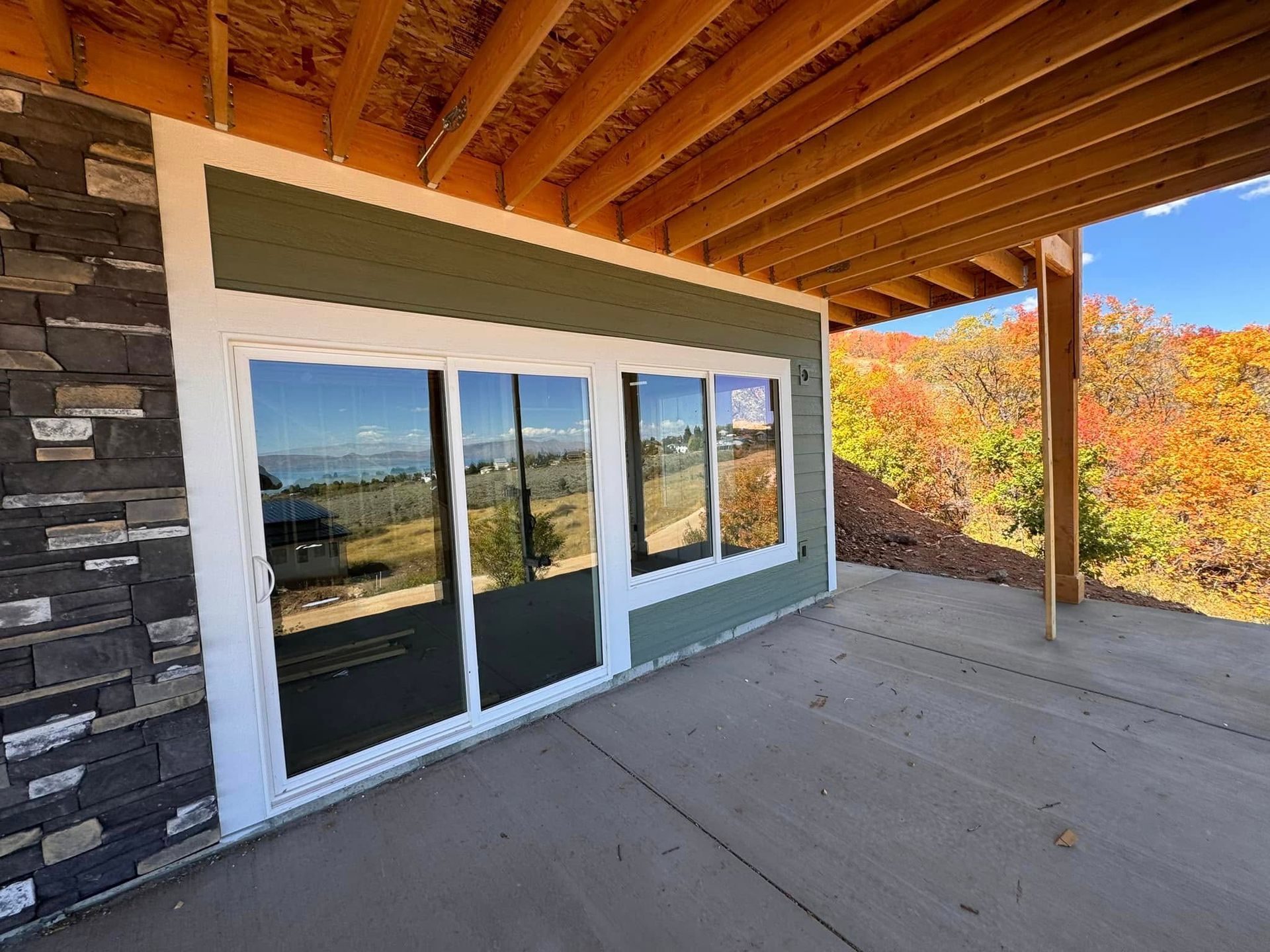
What Proper Installation Requires
The crew checks the sill for soft spots by pressing a screwdriver or awl into the wood at several points, because rot that started under the old window often spreads along the sill and into the jamb without breaking through the paint or trim on the surface. Once the opening is confirmed sound or repaired, the new unit is shimmed level and square, fastened through the nailing flange or frame into the surrounding framing, and then flashed with layered membrane or metal that laps under the siding above and over the siding below to shed water away from the opening.
After replacement, the new window operates smoothly without binding, the sash locks securely, and no drafts or light gaps show around the frame because the unit is shimmed square and the perimeter is sealed with low-expansion foam and exterior caulk. The glass no longer fogs between panes, and the surrounding wall stays dry during rain because the flashing directs water over the exterior trim rather than behind it.
Window replacement includes removal of the old unit, inspection and repair of the rough opening, installation and flashing of the new window, and sealing of the perimeter, but does not include interior trim carpentry, painting, or siding replacement beyond the immediate area around the opening. The written estimate explains what is included and what the inspection may uncover once the old window is removed.
Common Questions About This Service
Homeowners in Hyrum, Wellsville, and nearby areas ask these questions when they are planning window replacement and want to know what the work involves.
What happens if rot is found in the window opening after the old unit is removed?
The damaged wood is cut back to solid framing, new sill or jamb material is fastened in place, and the opening is checked for square and level before the new window is installed, so the unit sits in a structurally sound frame.
How is the new window flashed to prevent water from getting behind the siding?
Membrane or metal flashing is installed over the sill and lapped up the sides of the opening, then layered under the siding above and over the trim below, creating a path that directs water down and away from the window perimeter.
Why is it important to shim the window level and square instead of just fastening it tight?
A window that is out of square will bind when the sash is opened or closed, the lock will not engage properly, and the seal between the sash and frame will be uneven, allowing air and water infiltration at the gaps.
What should you check once the new window is installed in older homes in Smithfield or Cache Valley?
The window should open and close smoothly, the sash should lock without forcing, no light should show around the frame when the window is closed, and no water should appear on the interior sill or wall after rain.
How long does a new window typically last before it needs to be replaced again?
Depending on the quality of the unit and how well the flashing was installed, most vinyl or fiberglass windows last twenty to thirty years before the seal fails or the operating hardware wears out, though impact damage or failed caulk can shorten that span.
Siding Master also
replaces windows in Preston, Logan, Hyde Park, North Logan, and Fish Haven. Request a written estimate to see what the opening inspection will include and what the replacement cost covers before any old windows are removed.